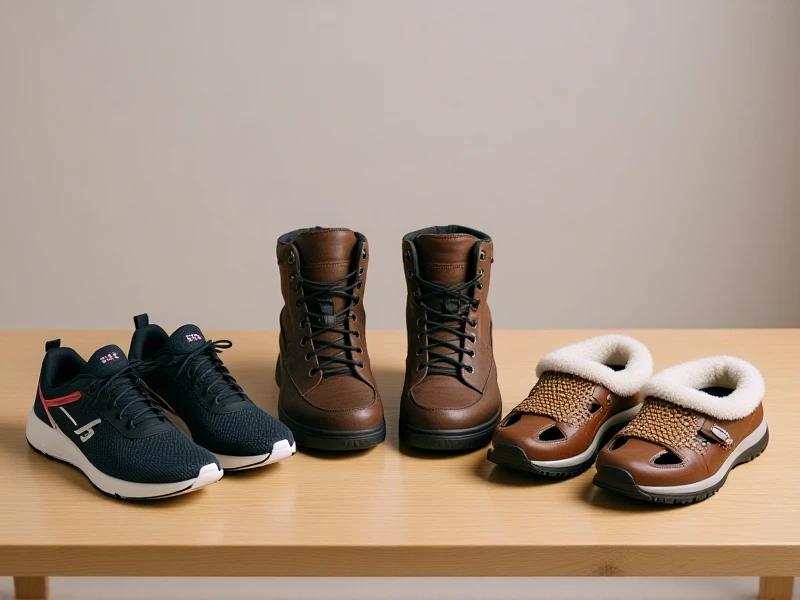
Find Your Perfect Pair: A Guide to Choosing the Best Sports Shoes
Here is an SEO-optimized article focusing on the keyword "Sports Shoes":
Sports shoes are far more than just fashion statements; they are essential tools for performance, comfort, and injury prevention during any physical activity. Whether you're pounding the pavement as a dedicated runner, dominating the basketball court, hitting the gym hard, or simply enjoying a brisk walk, the right footwear makes a world of difference.
The first and most crucial step is understanding your primary activity. Not all sports shoes are created equal. Running shoes prioritize lightweight cushioning and forward motion support. Basketball shoes demand superior ankle stability, high-traction soles, and impact protection for jumping and quick lateral moves. Cross-training or gym shoes offer versatile support for multi-directional movements, lifting weights, and HIIT sessions. Specific cleats are vital for soccer, football, or baseball on grass or turf. Always choose shoes engineered for your sport.
Once you've narrowed down the type, fit is paramount. Sports shoes often run differently than your everyday casual sneakers. Try them on in the afternoon when your feet are naturally slightly swollen, similar to when exercising. Wear the socks you normally use for that activity. Ensure there's about a thumb's width of space between your longest toe and the front of the shoe. Your heel should fit snugly without slippage, and your instep should not feel pinched. Walk, jog, or mimic movements in the store to check comfort and support before buying.
Pay close attention to cushioning and support levels. Runners with high arches often benefit from cushioned or neutral shoes, providing shock absorption. Those with flat feet or needing overpronation control may require stability or motion control shoes. Many modern shoes feature advanced foam technologies like Nike React, adidas Boost, or ASICS Gel, offering responsive comfort and energy return. Midsole construction dictates support levels.
The outsole's material and tread pattern are vital for grip and durability. Carbon rubber is durable but heavier, often used in high-wear areas. Blown rubber is lighter and softer, offering superior traction on smooth surfaces. Consider whether you'll be on road, track, trails, or indoors to choose the appropriate sole design.
Don't underestimate replacing your sports shoes. Most experts recommend swapping them out every 300-500 miles of running or every 6-12 months of regular use, as the cushioning and support materials break down over time, increasing injury risk. Inspect the midsole for creasing and the outsole for excessive wear as visual clues.
Your feet deserve the best. Investing time in selecting the perfect pair of sports shoes is an investment in your performance, enjoyment, and long-term health. Remember: Prioritize the specific demands of your activity, ensure an impeccable fit, consider your individual biomechanics and terrain, and replace them regularly. Step out confidently with the right foundation beneath you!